


Balancing Work and Parenting: Supporting Your Employees as School Starts
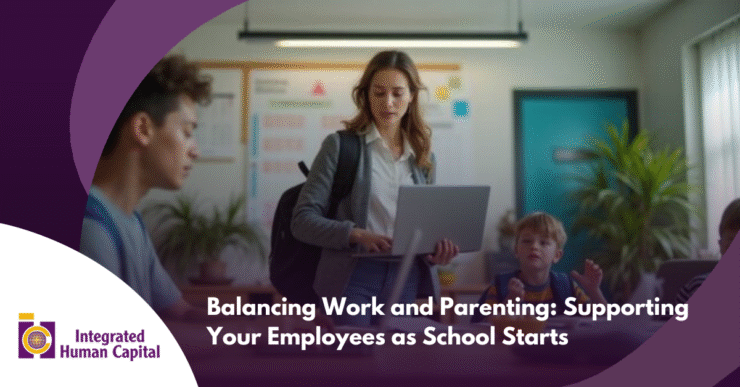
The morning alarm goes off, and across America, millions of working parents face the same challenge: Getting kids ready for school while preparing for their own workday. For many, this daily juggling act intensifies during back-to-school season, creating a perfect storm of stress that can impact both family life and workplace performance. As a hiring manager or HR professional, you’ve likely noticed the signs: employees arriving frazzled, leaving early for school pickups, or struggling to concentrate during those first few weeks. What you might not realize is that your response to these challenges can make the difference between retaining top talent and watching valuable employees burn out or seek opportunities elsewhere. The statistics paint a clear picture: 41% of working parents have left a job due to a lack of flexibility, and companies that support parent employees see 2.5 times higher retention rates. In today’s competitive talent market, supporting working parents isn’t just the right thing to do, it’s a strategic business imperative.
Why Back-to-School Season Hits Working Parents Hardest
Understanding the unique pressures of the back-to-school season helps managers respond with empathy and practical solutions. During this transition, working parents navigate:
- Schedule chaos: Summer routines disappear overnight, replaced by strict school start times, bus schedules, and after-school activities
- Financial strain: The average family spends $864 per child on back-to-school expenses, creating budget stress that affects workplace focus
- Emotional overload: Parents worry about their children’s adjustment to new teachers, classmates, and academic expectations while maintaining their own professional responsibilities
- Logistical nightmares: Coordinating drop-offs, pickups, and emergency contacts becomes a complex puzzle that changes daily
These challenges don’t exist in isolation. When an employee struggles to find last-minute childcare for a sick child, their stress affects team dynamics, project timelines, and customer interactions. By proactively addressing these pain points, you create a ripple effect of positive outcomes throughout your organization.
Flexible Scheduling Solutions That Actually Work
The traditional 9-to-5 schedule often clashes with school hours, creating daily stress for working parents. Smart employers are discovering that flexibility doesn’t mean chaos, it means strategic adaptation that benefits everyone.
Implement Core Hours: Rather than requiring strict 8-hour blocks, establish core hours (like 10 AM to 2 PM) when all team members must be available. This allows parents to handle morning drop-offs or afternoon pickups while ensuring collaborative time remains protected.
Offer Compressed Workweeks: Some employees thrive with four 10-hour days, giving them a full day to handle school volunteering, appointments, or simply being present for their children. This arrangement often increases productivity during working hours as employees feel more in control of their time.
Create “No Meeting” Windows: Designate certain hours as meeting-free zones, particularly during typical school pickup times. This simple change allows parents to plan their days more effectively without constantly rescheduling calls.
Enable Schedule Swapping: Develop a system where team members can trade shifts or coverage responsibilities. This peer-to-peer flexibility often works better than top-down mandates and builds stronger team relationships.
Building a Parent-Friendly Remote and Hybrid Work Culture
The pandemic proved remote work is possible for many roles, yet some companies are rushing back to pre-2020 norms. For working parents, hybrid options can mean the difference between thriving and merely surviving.
Define Clear Expectations: Success in hybrid environments requires explicit communication about availability, response times, and deliverables. When parents know exactly what’s expected, they can better manage both work and family responsibilities.
Invest in Technology: Ensure all employees have equal access to collaboration tools, whether they’re in-office or remote. This includes proper equipment, stable internet access, and training on digital platforms.
Normalize Flexibility: When leadership openly discusses their own family obligations and uses flexible options, it creates psychological safety for all employees to do the same. This cultural shift is more powerful than any policy document.
Measure Outcomes, Not Hours: Focus performance reviews on results rather than face time. This approach naturally supports parents who might work non-traditional hours but deliver exceptional results.
Emergency Support Systems Every Workplace Needs
Despite the best planning, emergencies happen. Schools close unexpectedly, children get sick, and childcare falls through. Prepared employers have systems in place to support employees during these inevitable disruptions.
Backup Childcare Benefits: Partner with services like Bright Horizons or Care.com to provide emergency childcare options. Even a few subsidized days per year can prevent missed workdays and reduce employee stress.
Create Parent Networks: Facilitate connections between employee parents who might share babysitter recommendations, carpool arrangements, or emergency contact duties. These organic support systems often provide better solutions than top-down programs.
Establish Clear Emergency Protocols: Develop and communicate clear procedures for handling family emergencies. When employees know they won’t face negative consequences for legitimate family needs, they’re more likely to be honest about challenges and find workable solutions.
Offer Dependent Care FSAs: These tax-advantaged accounts help employees manage childcare expenses while reducing payroll taxes for employers, a win-win solution that costs nothing to implement.
Measuring Success: KPIs for Parent-Supportive Workplaces
Supporting working parents isn’t just about feeling good, it’s about driving measurable business results. Track these key performance indicators to demonstrate ROI:
- Retention rates among parent employees versus non-parents
- Productivity metrics during high-stress periods like the back-to-school season
- Employee satisfaction scores specifically related to work-life balance
- Recruitment success is achieved when highlighting parent-friendly policies
- Absenteeism patterns before and after implementing support programs
Leading companies report that every dollar invested in family-friendly benefits returns $3-4 in reduced turnover, increased productivity, and improved recruitment outcomes. These metrics make the business case clear: Supporting working parents is a strategic advantage, not a costly accommodation.
Your Next Steps Toward Building a Parent-Friendly Workplace
Creating meaningful support for working parents doesn’t require revolutionary changes—it starts with understanding their challenges and responding with empathy and practical solutions. Begin by surveying your current parent employees about their biggest pain points, then prioritize addressing the most common concerns. Remember, the goal isn’t to give parents special treatment but to recognize that supporting all employees’ life circumstances creates stronger, more resilient organizations. When you help working parents succeed, you build a reputation as an employer of choice, attracting top talent who value both career growth and family life. The back-to-school season presents an annual opportunity to demonstrate your commitment to employee well-being. By implementing even a few of these strategies, you’ll see immediate improvements in employee engagement, retention, and performance.
Ready to build a workplace where working parents thrive?
The staffing experts at IHC can help you develop comprehensive support strategies that attract and retain top talent while building a culture of success. Contact us today to learn how we can help you create parent-friendly policies that drive business results. Your employees -and your bottom line-will thank you.